
15:50

rererecycling
, Posted in
Food
,
News
,
0 Comments


According to Professor Monica Ayieko, a nutrition expert at
Bondo University in Kenya, insects such as termites and mayflies can be favoured by weather conditions brought about due to climate change and need to be promoted as food.
With population increase and the elimination of arable land due to urbanization and climate change, edible insects could provide a lifeline in due course as an attempt to attain food security.
Even though insects have been used as food in many Kenyan societies, Professor Ayieko said the major challenge will be to popularise them. According to her, many people have chosen to follow the Western culture and thus view insects as a meal for the poor, so acceptability will depend on those who are aware of the benefits of insects convincing the others.
(Source:
Edible insects next on the menu in the quest for food security [East African])
12:12
rererecycling
, Posted in
News
,
0 Comments

Every single day 20 million plastic sandwich bags end up in U.S. landfills. We get it. Everyone’s trying to save money, which means more of us than ever are bringing our lunches to work and school.
Thankfully, two eco-minded moms have come up with a great solution, LunchSkins: cute, reusable sandwich bags.
10:50
rererecycling
, Posted in
Food
,
News
,
0 Comments

Earlier this month, the 57-year old Dutchman, Pieter Hoff, won
Popular Science magazine's award for the best invention of 2010, beating 119 contenders.
His invention, the
Groasis Waterboxx, is a plant incubator that does not need irrigating, which could help make fertile again the 70% of the world's arid and semi-arid lands whose productivity has been hit by deforestation and overfarming.
Drylands actually have enough water to sustain trees for decades, but it is several feet beneath the surface. Because rain and irrigation evaporate quickly, many young plants die before their roots can tap that reservoir. The Waterboxx, shaped more like a doughnut than a box, stores precipitation and captures condensation to help plants survive long enough to make it through that layer of dry soil.
In tests in the Sahara, 88 percent of Waterboxx-sheltered trees survived, versus 10 percent of trees with traditional cultivation. Pieter Hoff is now working on a biodegradable version that decomposes to feed the plant.
(Source:
Pieter Hoff: Teach plants to grow in arid places [Guardian])
15:50
rererecycling
, Posted in
Food
,
News
,
Plastic
,
0 Comments

The
On-Pack Recycling Label (OPRL) was launched by retailers' group, the
British Retail Consortium (BRC ), in March 2009. Its label, which the BRC says is a world first, informs shoppers what packaging can be recycled and what cannot.
"Currently too much recyclable packaging makes its way to landfill. This label gives consumers the information they need to make the right choices, we just need to make them aware of it," said Bob Gordon, BRC's head of environment.
The label indicates three levels of packaging recycling:
- Widely recycled: 65 per cent or more of local authorities collect that packaging type in their area.
- Check local recycling: 15 per cent to 65 per cent of local authorities collect that packaging type in their area.
- Not currently recycled: less than 15 per cent of local authorities collect that packaging type in their area.
(Source:
100th company signs up to on pack recycling label [Edie])
10:50
rererecycling
, Posted in
Food
,
News
,
0 Comments

The
International Commission for the Conservation of Atlantic Tuna (ICCAT) recently set protection guidelines for the threatened Atlantic sharks, but only agreed on a small cut to the bluefin fishing quota.
Conservationists say the
bluefin tuna is threatened by overfishing, and much deeper cuts are needed. For 2011, the quota is set at 12,900 tonnes, down from 13,500 tonnes.
"The actual catch level will be around 11,000, which is a large reduction from current levels," the head of the Japanese delegation, Masanori Miyahara, said, adding that some members had promised not to use up their quotas.
But criticizing the size of the reduction, Sue Lieberman, policy director of the US-based
Pew Environment Group, said, "despite sound science to show how threatened these species are... Atlantic bluefin tuna once again were denied the protection they desperately need."
(Source:
Sharks protected; status quo for bluefin tuna [Business Week])
15:50
rererecycling
, Posted in
Food
,
News
,
0 Comments

Meat and milk from cloned cattle and their offspring are safe to consume, independent scientists have said.
In the US, South America and Asia, farmers can breed from cloned cows, sheep and pigs in order to increase milk and meat production. However, farmers in Europe who want to introduce the products of cloned animals into the food chain require specific authorization.
According to a Soil Association spokeswoman, "not only does cloning have a negative impact on animal welfare, we also have no long-term evidence for the impacts on health."
(Source:
Cloned cattle food safe to eat, say scientists [BBC])
10:50
rererecycling
, Posted in
Food
,
News
,
Plastic
,
0 Comments
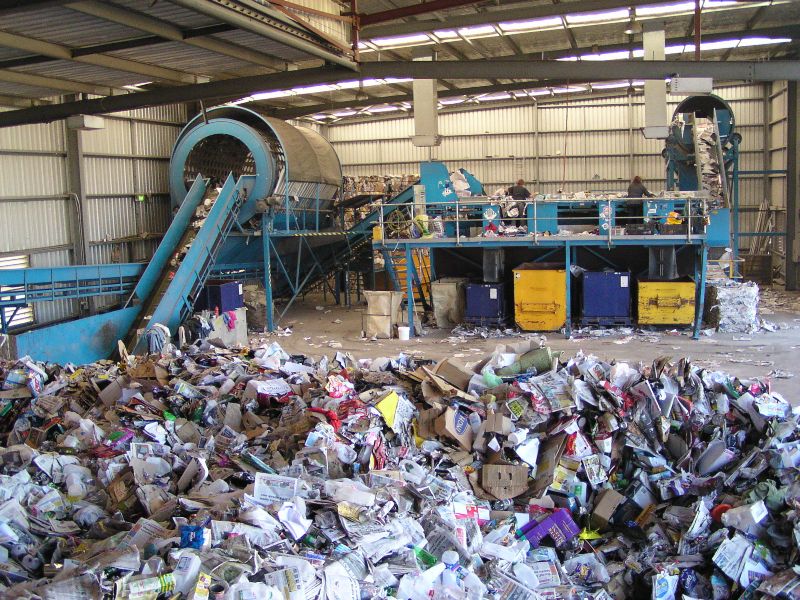
From Jan. 1, 2011, garbage disposal companies and municipalities will have a financial incentive for separating yard waste from garbage taken to transfer stations.
Metro Vancouver has approved a new tipping fee bylaw, upping the current garbage fee from $82 CAD per tonne to $97 per tonne in the new year. Yard waste, including leaves, branches and lawn trimmings will go up by $4 to $63 per tonne. Municipalities in the region are expected to have separate food scrap collection programs in place by the end of next year.
Part of the aim of the rate increase is to encourage people to recycle instead of disposing them as black bag waste.
(Source:
Garbage fees on the rise [North Shore News])
15:50
rererecycling
, Posted in
Food
,
News
,
Plastic
,
0 Comments
The term greenwashing was coined by New York environmentalist
Jay Westerveld in 1986. Since then, it has evolved into a term describing the deceptive use of green PR or green marketing in order to promote a misleading perception that a company's policies or products are environmentally friendly.
"Consumers have no idea what is going on they are completely blind sided by clever marketing," said Magali Delmas, an Environmental professor at the University of California. "Every time I visit a grocery store they ask the question. Would you like paper or plastic? Which do you prefer the use of petroleum in products or deforestation. Neither option is good. No one really knows the right answer," admitted Delmas.
According to senior meteorologist and Vice President of the AccuWeather Television network Ken Reeves, "we should be aware of the atmosphere and the environment, but supporting products that are claiming to be green is not the way to go. There is no conclusive evidence that any one variable can impact climate change. There is still question of the extent that human activity impacts the climate."
(Source:
Green Washing: Is Green the new Black? [Citizen Wire])
10:50
rererecycling
, Posted in
News
,
Plastic
,
0 Comments
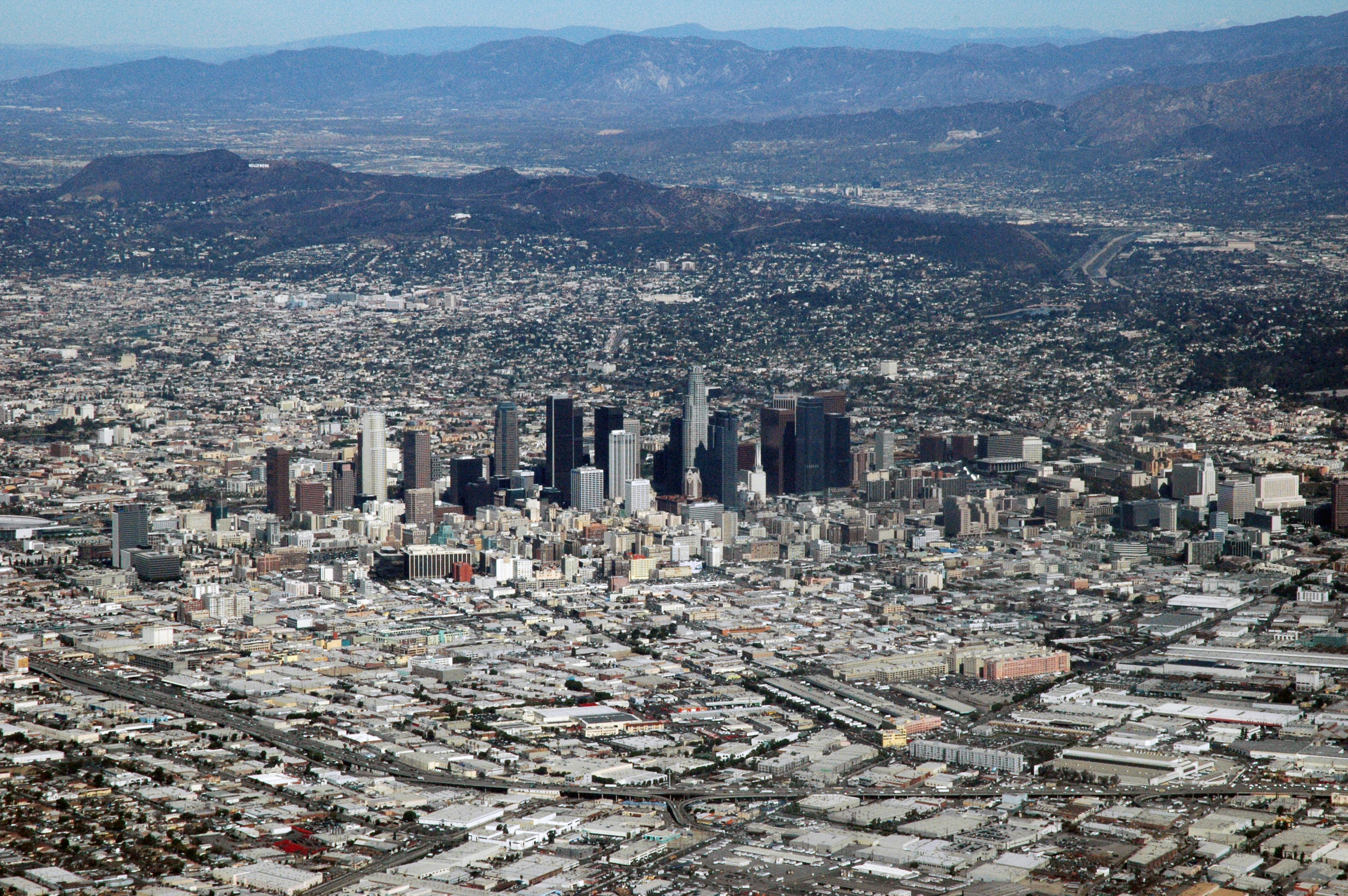
Los Angeles has recently passed one of the toughest laws against plastic bags. According to the ban, "no store shall provide to any customer a plastic carryout bag." Exceptions to this ordinance only include plastic bags for fruit, vegetables or raw meat. Otherwise, a charge of 10 cent is required to purchase the plastic bag.
Despite the call, officials in La Cañada Flintridge, California, hesitant to regulate plastic bags.
"Most of our residents have a high level of awareness. We don't have issues with plastic bags littering our streets, and our waste haulers and street sweepers haven't expressed concern about these bags in our waste stream," said Mary Goytia Strauss, senior management analyst for the city.
Mayor Donald Voss said that the county's new ordinance might have the unintended consequence of forcing struggling residents to purchase reusable bags or pay for paper ones.
He also pointed out that consumers often find other household uses for disposable bags.
(Source:
City hesitant to regulate plastic bags [Valley Sun])
15:50
rererecycling
, Posted in
Food
,
News
,
0 Comments
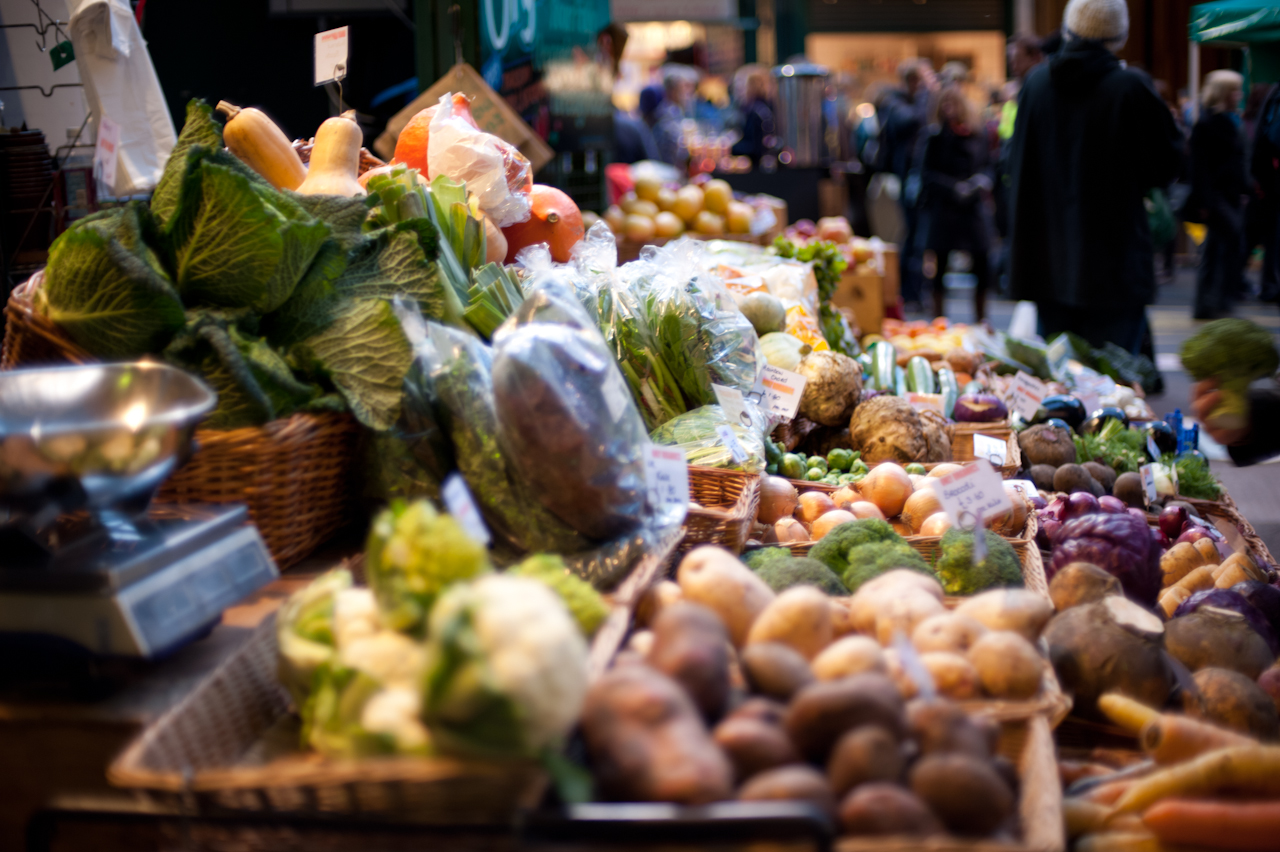
Jonathan Bloom, the author of "American Wasteland," said in his book that the average American family of four throws out about $1,350 of food each year. A 2009 study from researchers from the
National Institute of Health estimated that about 40 percent of food is wasted on its journey from farms to our stomachs.
Much of the food wasted end up in landfills, producing methane gas. A study in the American Chemical Society's journal
Environmental Science & Technology estimated that the United States could save 350 million barrels of oil a year by eliminating food waste - 2 percent of annual energy consumption.
Meanwhile,
Feeding America observed that 37 million Americans a year were seeking food assistance.
(Source:
Celebrating Abundance, But without the Waste [CBS News])
10:50
rererecycling
, Posted in
News
,
Plastic
,
0 Comments

Historically scientists have thought that clothes pegs and other plastics left out in the sun become brittle and fail due to a process called autoxidation. Exposure to light or heat generates free radicals, which are reactive species that attack the polymeric chains in the plastic causing them to rearrange and break. Crucially, each ‘broken’ polymer chain is then thought to attack the next polymer chain, leading to a cascading failure that results in visible damage to the plastic.
“Although plastics have been manufactured for a long time, in this study we have uncovered critical information about creating longer lasting plastics which is important if we want to reduce the amount of plastic waste entering landfill every year,” said Michelle Coote, Associate Professor at the
Australian National University.
Associate Professor Coote noted that by eliminating the flaws in plastic, items like clothes pegs could be made to last much longer.
(Source:
Supercomputers ensure plastics peg out later [Australian National University])
15:50
rererecycling
, Posted in
Food
,
News
,
Plastic
,
0 Comments
.jpg)
The
Calgary Herald reports that "Alberta Environment Minister Rob Renner raised the prospect Wednesday of charging coffee drinkers a small deposit on disposable cups in a bid to keep litter from blowing down the province's streets."
The intention is to reduce litter and promote the recycling of disposable cups. It also seeks to increase the use of travel mugs that are capable of long-term and multiple use. Nevertheless, there are issues with recycling disposable cups as many are not easily recyclable due to their varied compositions and a lack of product uniformity. As well, some have cited hygienic issues with storing used cups.
(Source:
Alberta considers green tax on takeout coffee cups [Calgary Herald])
10:50
rererecycling
, Posted in
Food
,
News
,
Plastic
,
Video
,
0 Comments

Through telling the story of Brazilian garbage pickers, called
catadores, this documentary directed by Lucy Walker reveals the various facades of certain waste disposal and recycling methods.
Waste Land centers on the
catadores who work at Rio de Janeiro's Jardim Gramacho, the world's largest landfill.
"Seventy percent of Rio's trash winds up in Gramacho, a vast island of garbage from which the pickers extract certain materials to sell to recyclers. Each
catadore has a specialty - plastic bottles, for instance, or scrap metal. One woman even takes unspoiled meat and transforms it into on-site meals for the pickers, who live full or part time at the site," according to a
San Francisco Chronicle article.
(Source:
Waste Land [Boston Globe])
15:50
rererecycling
, Posted in
News
,
0 Comments
10:50
rererecycling
, Posted in
Food
,
News
,
Plastic
,
0 Comments

'On-the-go', 'single-use', and 'disposable' are few of the terms advertised as synonyms of 'convenience' in our consumer world. Familiar to most is the variety of throwaway cups available at any of our local coffee shops. The
Guardian wrote that one coffee chain in the United Kingdom uses more than 100 million disposable coffee cups a year.
Some of these cups are primarily cardboard in composition, while others may be composed mostly of plastic or Styrofoam. However, complexity arises when considering the involvement of other components, such as ink, glue, cling film and other polymers in the finalized products. In most cases, such products would become unrecyclable due to difficulty in isolating these contaminants. In addition, as the Guardian reporter reported, there is a lack of collection bins for these products even if they were recyclable.
The throwaway culture is the consequence of our collective desire for convenience. Given that this practice is unlikely to go away, would standardization and regulation of single-use products with recycling in mind be the solution?
(Source:
The environmental cost of coffee to go [Guardian])
15:50
rererecycling
, Posted in
News
,
Plastic
,
0 Comments
.jpg)
Product stewardship is a concept whereby environmental protection centers around the product itself, and everyone involved in the lifespan of the product is called upon to take up responsibility to reduce its environmental impact. For manufacturers, this includes planning the recycling or disposal of the product at the end of its useful life.
Having taken this to heart and concerned with the impact of e-waste, a team of students from Aalto University in Finland and Stanford University in the United States developed a laptop, called the
Bloom, that can be disassembled by hand into recyclable parts in minutes. By comparison, a commercially available laptop takes about 45 minutes to disassemble, requires three separate tools and involves as many as 120 steps.
"They spend 90% of their time prying 250 screws out of every device that comes in the door--it's very expensive and time-consuming," said Aaron Engel-Hall, one of the Bloom's designers.
The Bloom laptop is currently a prototype, and as of now, there has been no word on whether it would become commercially available in the near future.
(Source:
A Laptop You Can Break Down By Hand, Then Recycle [MIT])
10:50
rererecycling
, Posted in
Food
,
News
,
Plastic
,
0 Comments

It is dominantly known that well managed recycling process contributes to the well being of the environment. This month, the United States'
Illinois Department of Commerce and Economic Opportunity published a paper outlining several economic benefits recycling has generated for the state.
According to the report, "the 2,173 recycling establishments in Illinois employed an estimated 40,000 people in 2009," and the industry itself indirectly contributed to the employment of 71,500 more people. As well, "a total of $17 billion in gross receipts were generated by the recycling, recycling reliant, and reuse and remanufacturing industries," while indirect contributions totaled to $30.3 billion in gross receipts.
(Source:
Illinois report lists economic impact of recycling [Business Week])
15:50
rererecycling
, Posted in
News
,
Plastic
,
0 Comments

Los Angeles has recently passed one of the toughest laws against plastic bags. According to the ban, "no store shall provide to any customer a plastic carryout bag." Exceptions to this ordinance only include plastic bags for fruit, vegetables or raw meat. Otherwise, a charge of 10 cent is required to purchase the plastic bag.
"Plastic bags are a pollutant. They pollute the urban landscape. They are what we call in our county urban tumbleweed," said Zev Yaroslavsky, of the Los Angeles County Board of Supervisors.
Government figures show that just 5% of plastic bags are recycled in the United States.
(Source:
L.A. County passes sweeping ban on plastic bags [Los Angeles Times])
10:50
rererecycling
, Posted in
News
,
Plastic
,
0 Comments

Regulations on plastic bag uses have surfaced in many parts of the world, as the bag's reduction is almost universally seen as a way to ease the environmental impact it carries. In response to this, many retailers and individuals have opted for the use of synthetic, reusable bags.
However, report by the
Tampa Tribune has revealed that many of these reusable bags were found containing lead, a poisonous substance that can damage the human nervous system and causes brain disorders.
The
New York Times reports that "concerns have proliferated so much that Senator Charles E. Schumer, a New York Democrat, sent a letter on Sunday to the Food and Drug Administration, urging the agency to investigate the issue."
(Source:
Lead found in reusable shopping bags [CBC])
15:50
rererecycling
, Posted in
Food
,
News
,
0 Comments
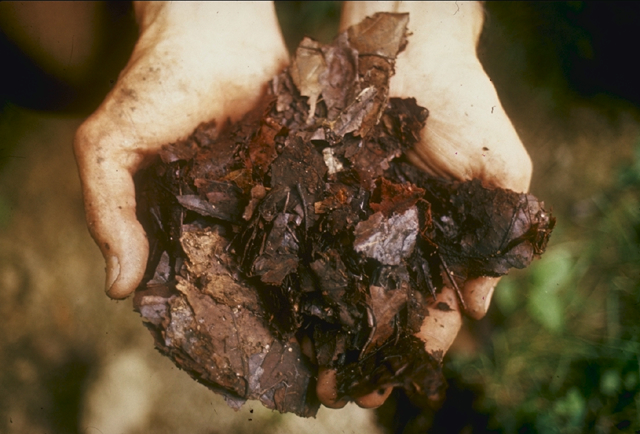
With a population size exceeding 1 billion, China's waste arising is amongst the largest in the world. Given the continual strain on landfill sites and incinerators in China, alternative waste management practices need to be employed.
Friends of Nature, one of the oldest environmental groups in China, is planning to breed earthworms in a bid to recycle kitchen waste in several cities across the country. The intention is to use earthworms as an effective catalyst to the composting process.
"If the scheme is successful, we will lobby the government to support our green community project," said Guo Mingliang, the programme initiator.
(Source:
China to breed earthworms to recycle kitchen waste [Sify])
10:50
rererecycling
, Posted in
Food
,
News
,
Plastic
,
0 Comments

The United States observe
America Recycles Day on November 15th, a nationally recognized day dedicated to encouraging Americans to recycle and buy recycled products.
According to the United States Environmental Protection Agency (EPA), "the average American discards about 4.5 pounds of trash, also known as solid waste, every day. This trash goes mostly to landfills, where it is compacted and buried. Thirty-three percent of solid waste, or 83 million tons, is recovered and recycled or composted; and 54 percent, or 135 million tons, is disposed of in landfills."
Through events held across the country on November 15th, the Day intends to raise awareness and increase recycling rate, ultimately seeking to reduce pressure on landfills, resources and the environment.
(Source:
America Recycles Day - November 15th [EPA])
15:50
rererecycling
, Posted in
Food
,
News
,
0 Comments

"We've all seen the ads for fast-food burgers where a cow is grazing on nice green pasture, or a girl collects a glass of milk from a cow in the field and takes it to the dairy to turn into yoghurt. Yet the reality is so different from the ad man's image. It's trying to make it wider known that generally your glass of milk has probably come from a cow that may never have seen the outdoors, and been fed on soy that's been imported half way round the world from land that was once rich biodiverse
cerrado in Brazil and has now been planted with GM soy and covered in weedkiller to allow it to grow," said
Robert Flello, the UK politician who tabled a Sustainable Livestock bill that seeks to reduce dependence on imported crops for animal feed.
The
National Farmers Union said the bill was admirable but failed to consider work being undertaken to improve the sustainability of British livestock farming. Its aspirations were "unsuited to legislation", said NFU president Peter Kendall.
(Source:
Top chefs back curb on soy imports to protect rainforest [Guardian])
10:50
rererecycling
, Posted in
Food
,
News
,
Plastic
,
0 Comments

One of the most crucial obstacles to plastic food packaging recycling is contamination. In plastic recycling, contaminants can reduce the quality of the finalized product, but also, during plastic collection and storage, contaminated plastics are likely to have sanitary issues.
The UK government-funded
Waste Resources Action Programme (WRAP) has been conducting researches on improving the cleaning efficiency of heavier contaminants and investigating ink removal from used PP packaging.
“This has been technically challenging to date but I believe a huge amount has been learned that will benefit the industry going forward. We always knew this project would come up against hurdles, as it has never been attempted before. But the global benefits if we can crack it, and I believe we can, are huge,” said Paul Davidson, Head of Sector Specialists at WRAP.
(Source:
Food-grade PP recycling moves closer, says WRAP [Food Production Daily])
15:50
rererecycling
, Posted in
Plastic
,
Video
,
0 Comments
10:50
rererecycling
, Posted in
News
,
Plastic
,
1 Comment

CBC (Canadian Broadcasting Corporation) reports that in 2009, 82 per cent of plastic waste from Winnipeg, Canada, was destined for China to be remade into countless plastic goods for world markets.
These so-called second-life durable goods include fly swatters, dolls, tossed yogurt tubs, margarine bins, carpets, polar fleeces, and so on. However, these products do not get further recycled. Instead, consumers trash these items after they get old or worn down.
Critics of Winnipeg's plastic recycling system says it betrays the recycling symbol found on almost all blue boxes: the three arrows in a closed loop, suggesting the materials are continuously recycled.
(Source:
Winnipeg ships plastic waste to China [CBC])
15:50
rererecycling
, Posted in
Plastic
,
Video
,
0 Comments

Plastic has been the primary medium for
Dianna Cohen's art work. Overtime, she began to realize the impact plastic disposal has had on our environment. Speaking at
TED, she notes the omnipresence of plastic, and decries the ineffectiveness of the current plastic recycling effort.
According to Dianna Cohen, "in the United States less than 7% of our plastics are recycled, and if you really look into it, particularly when it comes to plastic bottles, most of it is only down-cycled or incinerated or shipped to China. It is down-cycled and turned into lesser things. While a glass bottle can be a glass bottle again or can be used again, a plastic bottle can never be a plastic bottle again. So this is a big issue for us."
(Source:
Tough truths about plastic pollution [TED])
10:50
rererecycling
, Posted in
News
,
Plastic
,
0 Comments
 SITA
SITA (Société Industrielle des Transports Automobiles), the European waste management company, has on Monday revealed plans to construct 10 plants with the purpose of processing mixed waste plastic waste into oil-based fuel.
"There's a market need, it's environmentally-friendly, there's a saving on carbon emissions and it's cost comparable with regular diesel," according to David Palmer-Jones, chief executive of SITA.
It would be ideal to see waste trucks powered by the plastics they bring for conversion into fuel, he added.
(Source:
Sita to turn plastic into diesel to power vehicles [The Daily Telegraph])
15:50
rererecycling
, Posted in
Plastic
,
Video
,
0 Comments
 Forever Plastic
, the story of our beloved plastic. Versatile in its use, durable, pliable and available, plastic is seemingly wonderful in its usability and recyclability, but could you pass the
Plastic Recycling Challenge? Forever Plastic exposes the hidden truth inside the world of plastic recycling.
(Source:
Forever Plastic [CBC])


.jpg)


.jpg)


